How to Select the Right HVAC Blower Motor for Your System
Selecting the right HVAC blower motor
is crucial for the efficient performance and longevity of heating, ventilation, and air conditioning systems. According to the
U.S. Department of Energy, HVAC systems account for about 40% of a home's energy consumption,
making the choice of components like blower motors critical to energy savings and overall system efficiency. With various options available in the market,
including single-phase to three-phase motors and varying horsepower ratings,
it is essential to understand the specific requirements of your system for optimal performance. The right HVAC blower motor not only ensures adequate airflow
but also contributes to improved indoor air quality and comfort levels.
By considering factors such as motor speed, compatibility with existing systems, and energy efficiency ratings,
homeowners and professionals alike can make informed decisions that lead to enhanced system reliability and reduced operating costs.
Understanding the Role of HVAC Blower Motors in Your System
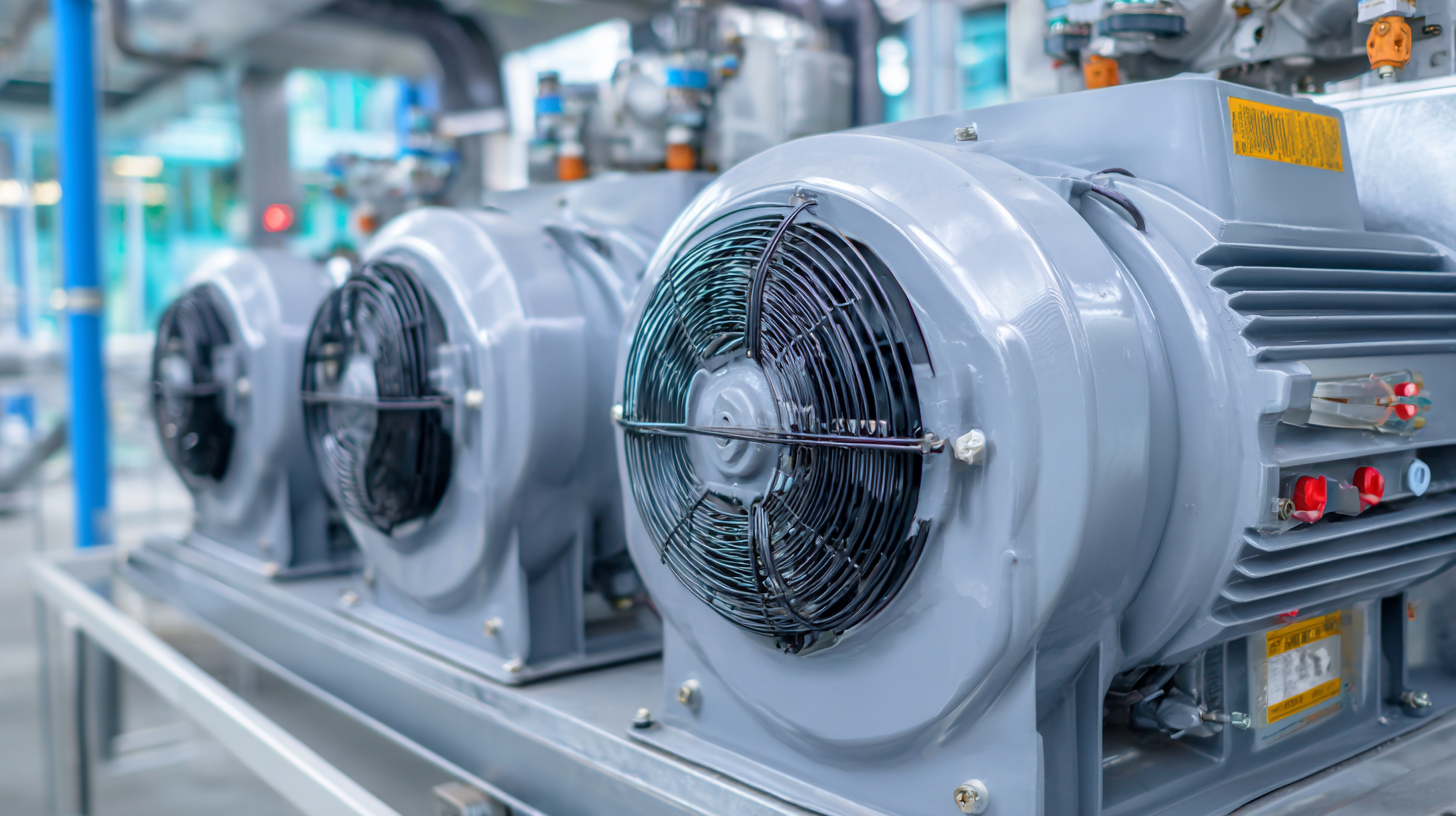
HVAC blower motors play a crucial role in maintaining the efficiency and functionality of heating, ventilation, and air conditioning systems. These motors are responsible for circulating air throughout the system, which directly impacts indoor air quality and comfort levels. According to industry reports, more than 65% of HVAC system failures are attributed to malfunctioning blower motors. This highlights the importance of selecting the right motor that matches your system's specifications to avoid premature failures and ensure optimal performance.
When choosing an HVAC blower motor, factors such as air velocity, static pressure, and motor size need to be considered. For instance, advanced dynamic models have shown that optimizing these parameters can significantly enhance energy efficiency. Additionally, recent recalls of certain vehicle models due to blower motor failures emphasize the need for quality and reliability in component selection. By understanding the role of blower motors and choosing the right one, homeowners can improve their HVAC system's performance, resulting in better air quality and energy savings.
HVAC Blower Motor Efficiency Comparison
Identifying the Correct Blower Motor Specifications for Your Needs
When selecting the right HVAC blower motor for your system, understanding the specific requirements of your setup is crucial. Key specifications to consider include the voltage, horsepower, and rotational speed. The voltage must match that of your existing system to ensure compatibility and optimal performance. Horsepower determines the motor's ability to handle the necessary airflow and resistance in your ductwork, while the rotational speed, often measured in RPM, affects how effectively the motor can circulate air throughout your space.
Another critical aspect is the physical dimensions of the blower motor. It's essential to measure the mounting space available and the shaft length to ensure a proper fit. Additionally, consider the type of motor—whether it’s a single-speed, multi-speed, or variable-speed motor—as this will influence energy efficiency and comfort levels in your home. Lastly, always refer to the manufacturer’s specifications and guidelines to guarantee that the chosen blower motor meets the operational standards required for your system's optimal function.
Evaluating Energy Efficiency Ratings of Blower Motors
When selecting the right HVAC blower motor for your system, evaluating energy efficiency ratings is crucial. Energy efficiency ratings, often expressed through metrics such as the EER and SEER, provide insights into a motor's performance relative to its power consumption. Higher ratings indicate that the motor converts more electrical energy into useful work, translating to lower utility bills and a reduced environmental impact. This evaluation allows homeowners and professionals to make informed decisions based on long-term savings rather than initial costs.
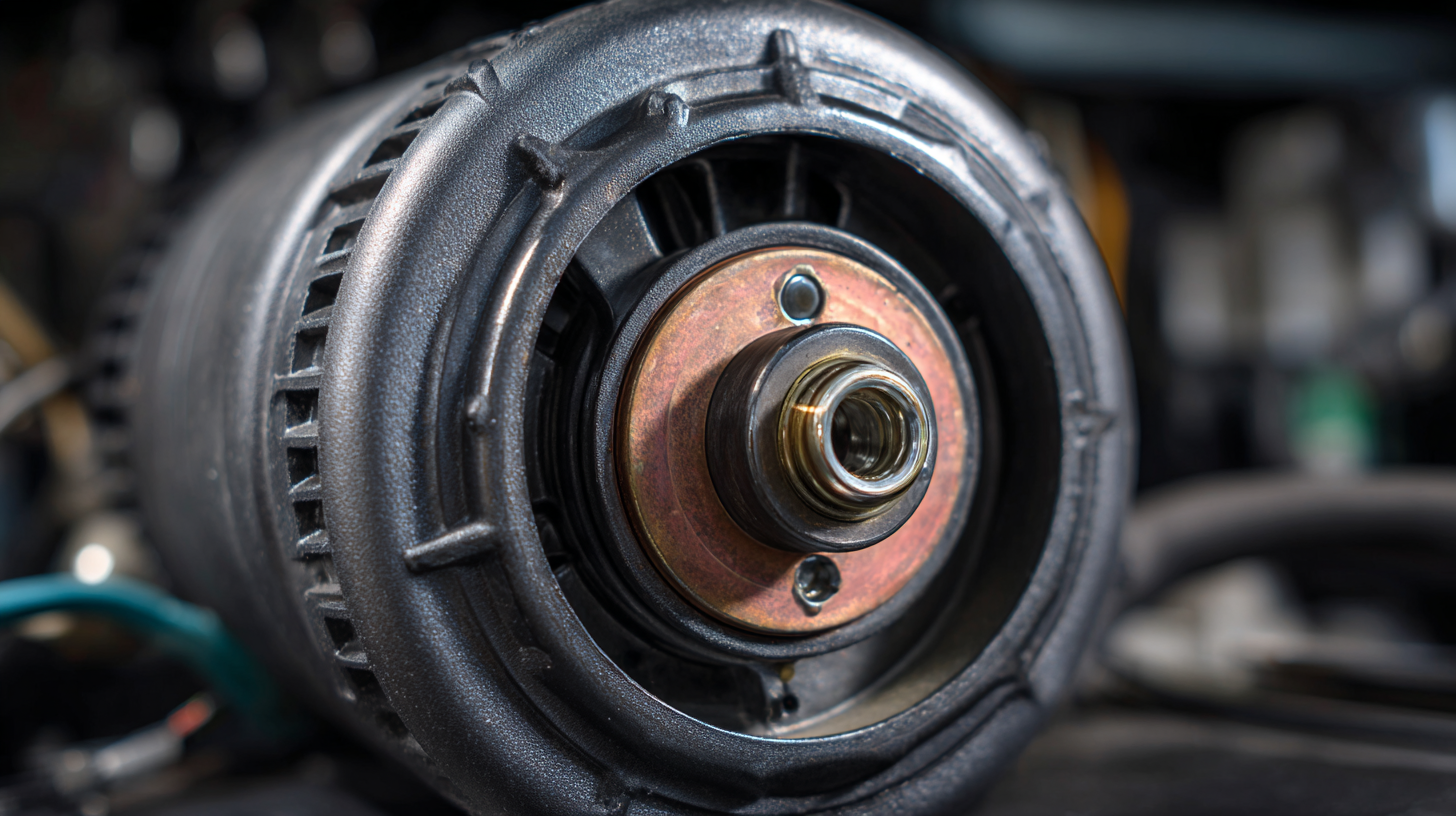
Additionally, the efficiency of a blower motor directly affects the overall performance of the HVAC system. A motor with a high energy efficiency rating will not only reduce operational costs but also enhance the lifespan of the system by reducing strain on components. It’s important to consider the specific requirements of your HVAC system, including airflow needs and operational hours, when assessing available blower motors. Investing in a motor with superior energy efficiency can lead to substantial benefits in comfort, reliability, and sustainability over time.
Comparing Different Types of Blower Motors Available in the Market
When selecting the right HVAC blower motor for your system, it's crucial to understand the various types of blower motors available in the market. Blower motors generally fall into three main categories: single-speed, variable speed, and multi-speed motors. Single-speed motors are often the most basic and economical option, providing a constant speed that can be effective for straightforward heating and cooling needs. However, they may lack the efficiency and adaptability of more advanced motors.
Variable speed motors, on the other hand, offer a high degree of flexibility by adjusting their speed based on the system’s requirements. This can lead to significant energy savings and improved comfort by maintaining more consistent temperatures throughout your home. Multi-speed motors provide several preset speeds, allowing for a balance between cost-effectiveness and control. By comparing these different types, you can better determine which blower motor fits your HVAC system's specific requirements and operational goals.
How to Select the Right HVAC Blower Motor for Your System - Comparing Different Types of Blower Motors Available in the Market
| Blower Motor Type |
Efficiency |
Noise Level (dB) |
Speed Control |
Typical Applications |
| Single Speed |
Moderate |
70-75 dB |
No |
Residential HVAC Systems |
| Multi-Speed |
High |
65-70 dB |
Yes |
Commercial HVAC, Larger Homes |
| EC Motor |
Very High |
50-60 dB |
Yes |
Energy-Efficient Systems |
| Variable Speed |
Highest |
40-55 dB |
Yes |
High-End Residential, Custom HVAC Solutions |
Tips for Professional Installation and Maintenance of Blower Motors
When it comes to the installation and maintenance of HVAC blower motors, professional expertise is essential to ensure optimal performance and longevity. First, it is crucial to follow the manufacturer's specifications and guidelines during installation. This includes correctly mounting the motor, ensuring secure electrical connections, and aligning the blower with the ductwork to prevent airflow issues. Hiring a certified technician can help avoid common installation pitfalls, such as misaligned components or improper voltage settings, which can lead to inefficient operation and potential damage.
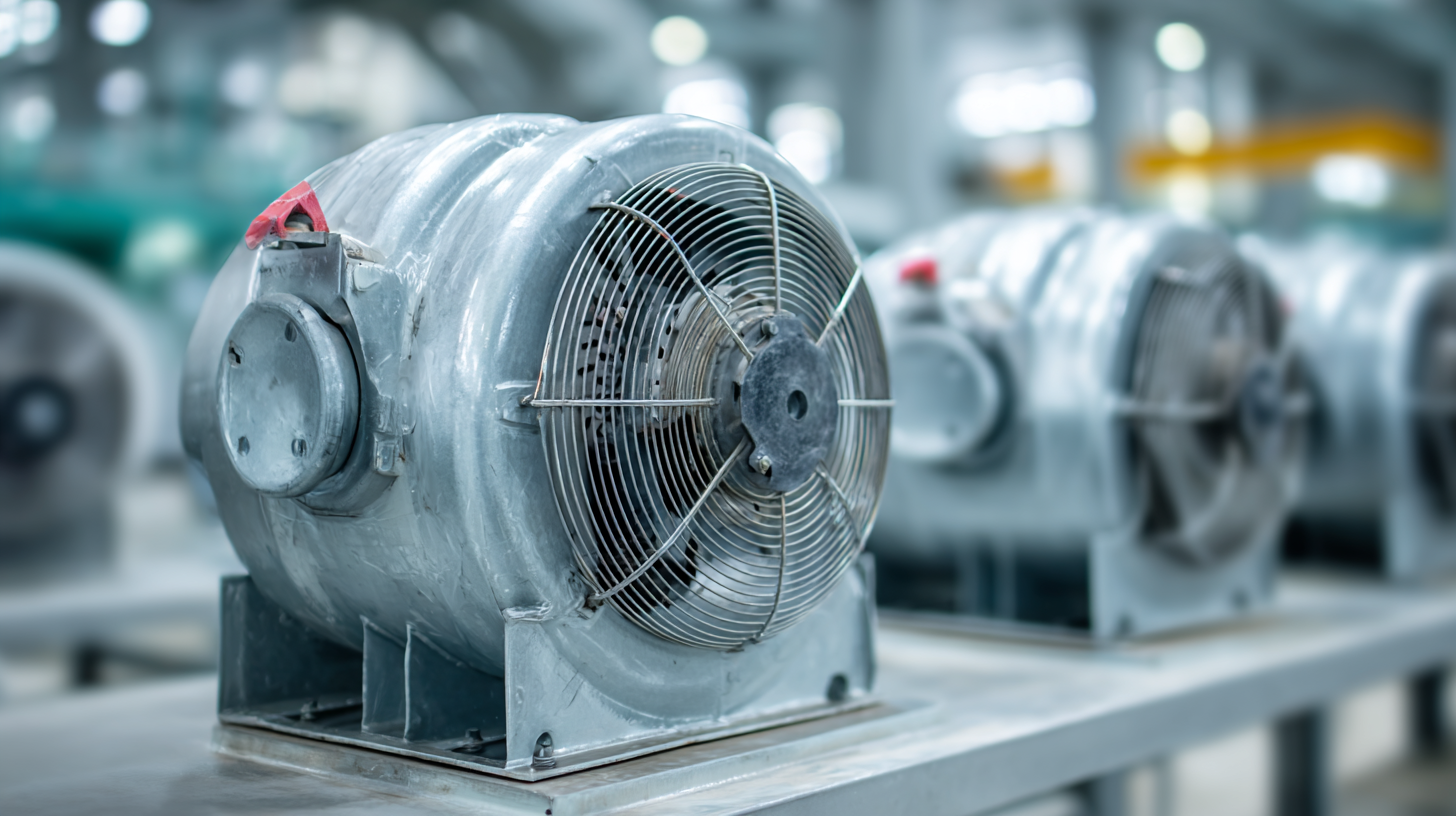
Regular maintenance is equally important for the health of the blower motor. Professional technicians recommend periodic inspections to check for wear and tear, lubricate moving parts, and clean any accumulated debris that can affect airflow. Additionally, monitoring the motor's operational sounds and vibrations can help detect early signs of trouble. By prioritizing skilled installation and consistent maintenance, homeowners can maximize the efficiency and lifespan of their HVAC systems, ensuring a comfortable living environment year-round.



 Email
Email Whatsapp
 WeChat